
Donec efficitur, ligula ut lacinia
viverra, lorem lacus.
Donec efficitur, ligula ut lacinia
viverra, lorem lacus.
Freelance photography sounds like freedom — and it can be. You set your own schedule, choose your clients, and get paid to do something you’re genuinely good at. But the version most people imagine and the version that pays rent are two different things. Most photographers starting out don’t fail because they lack talent. They fail because they treat the creative side as the whole job and ignore everything else: pricing, client communication, taxes, equipment costs, and the relentless work of finding new clients.
This guide covers what it actually takes to start and grow a freelance photography business in 2026 — not in theory, but in practice.
Being self-employed as a photographer gives you something a studio job rarely does: ownership over your creative direction. You choose which shoots to take, which clients to work with, and which niches to develop. Over time, you can build a reputation in one area — say, event photography or portrait photography — rather than covering everything for a flat salary.
There’s a financial case too. According to industry data, photographers’ earnings vary widely depending on specialization and market, but experienced freelancers in commercial photography or wedding photography regularly earn more than staff photographers at the same experience level. The ceiling is genuinely higher — but so is the floor risk. A slow month hits differently when you’re the only one making the payroll.
One more thing worth naming honestly: freelance photography requires you to be decent at business. Not obsessed with it, but functional. Photographers who only want to shoot and never want to deal with contracts, invoices, or follow-up emails usually struggle. The ones who accept that the business side is part of the job tend to stick around.
There’s no single path. Some people spend years as a second shooter before going solo. Others build a portfolio during a day job and transition gradually. What matters less than the path is whether you’ve covered the fundamentals before you start relying on photography income.
Strong technical foundations matter more than gear. A skilled photographer can work with a mid-range camera and still deliver professional results. An underskilled photographer won’t fix bad technique with an expensive lens.
Start with what you can control: exposure triangle (aperture, shutter speed, ISO), composition rules worth knowing and worth breaking, lighting behavior in different conditions, and manual focusing when autofocus fails you. These aren’t optional — clients notice when images are soft, poorly exposed, or compositionally flat.
Online photography courses through platforms like Skillshare, CreativeLive, and YouTube have genuinely improved. In 2026, you don’t need to spend thousands on a degree in photography to get professional-grade instruction. That said, courses only take you so far. Deliberate practice — meaning you shoot with specific goals and review the results critically — is what builds a skilled photographer. Devote real time to this before you charge your first client.
Don’t buy gear you can’t use yet. A common mistake is spending a significant budget on camera bodies and lenses before understanding what your niche actually demands. A portrait photographer and an event photographer need very different setups.
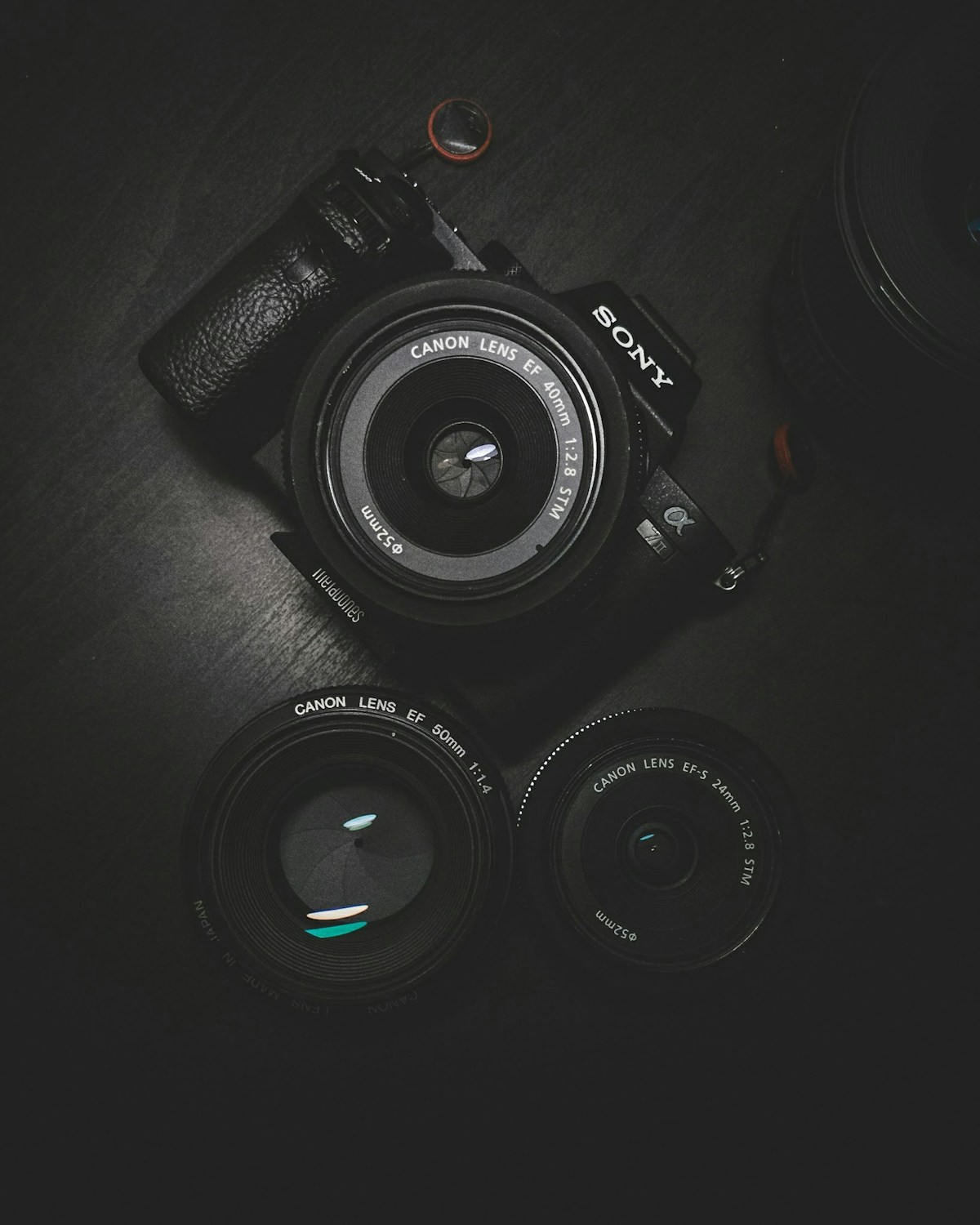
The right equipment for most starting freelancers: a capable mirrorless or DSLR body (Sony Alpha series, Nikon Z, or Canon R series all hold up well in 2026), a versatile lens like a 24–70mm f/2.8 or a fast 35mm prime, and reliable memory cards. Add a second body and backup flash once client work starts paying for it.
The question of which is better, Canon or Nikon — or Sony, or Fujifilm — genuinely depends on the work you’re doing. Spend time with rental bodies before committing to a system.
A business plan doesn’t have to be a formal document. It needs to answer four questions: Who are your clients? What photography services will you offer? How much do you need to charge to cover costs and pay yourself? How will you find new clients?
Freelance photography rates are one area where most people underprice themselves early. Your pricing structure should account for more than just your shooting time. It needs to include time spent editing, equipment depreciation, software subscriptions, travel, and the administrative work around every job. Many freelance photographers rely on a half-day or full-day rate rather than hourly pricing — it’s cleaner for clients and easier to predict. Rates can vary significantly by market and specialty, but a baseline of $500 per half-day is reasonable in most mid-sized US markets for commercial work.
Generalists can find work, but specialists build reputations. Choosing a niche early — even provisionally — helps you focus your portfolio, speak directly to potential clients, and set clearer rates.
Portrait photography is one of the most accessible entry points. Demand is consistent: headshots, family sessions, newborn photography, senior portraits. The challenge is differentiation — there are a lot of portrait photographers. Your style and how you make people feel during the photo shoot matters as much as technical skill.
Corporate events, conferences, and private gatherings generate steady work. Event photography rewards fast, accurate shooting — you rarely get a second chance at a key moment. It also requires strong people skills; you’re working in someone else’s carefully planned environment.
Wedding photography is demanding, emotionally high-stakes, and well-compensated. A wedding photographer typically handles ten-plus hours of shooting, followed by significant editing work. Entry without experience is hard — most photographers start by second-shooting for established teams before leading their own weddings.
Product photography, food photography, real estate — commercial photography encompasses a wide range of specializations that often pay better than consumer work. The trade-off is that clients are more demanding and briefs are more specific. This is where photo editing software proficiency becomes essential: knowing Lightroom and Photoshop inside out is expected.
Strong storytelling, fast turnaround, and the ability to work in unpredictable conditions. Less financially stable than commercial work, but deeply meaningful for photographers drawn to documentary subjects.
Your portfolio of work does more selling than any pitch ever will. The goal isn’t volume — it’s showing the work you want to get hired for. If you want to shoot corporate events, your portfolio should lead with corporate events, not the landscape photos you took last summer.
When you’re starting out, create the work before clients hire you for it. Offer free or discounted sessions to friends, nonprofits, or small businesses in exchange for permission to use the images. This is the fastest way to build the right portfolio. Even the best photographers had to start somewhere.
Quality over quantity. Ten images that show genuine skill and consistent style will outperform forty mediocre ones every time. Edit ruthlessly. If you’re not proud of it, don’t show it.
Your website is your primary business card. It needs: a clean gallery organized by specialty, a clear about page that tells your story without being generic, pricing information (at least a starting range — hiding rates entirely frustrates potential clients), and a simple contact form.
For editing software integrated into your workflow, tools like Luminar Neo offer AI-powered editing that reduces time spent on post-processing without sacrificing quality — useful when you’re handling a high volume of images after events or portrait sessions.
Social media accounts — particularly Instagram and, increasingly, Pinterest — remain important for photographers in 2026. Use social media consistently, but treat your website as the hub. Algorithms change; your domain doesn’t.
The first clients are always the hardest. Don’t wait until everything is perfect — your website, your gear, your pricing. Get started, and improve in motion.
The best way to get started as a freelance photographer is through your existing network. Tell everyone you know that you’re available. Local Facebook groups, LinkedIn, neighborhood apps like Nextdoor — these channels consistently generate first bookings for new freelancers. Reach out directly to small businesses that need product photography or headshots. Don’t be afraid of a direct, friendly cold email.
As work comes in, ask satisfied clients for referrals. Many freelance photographers rely on word-of-mouth for the majority of their bookings, especially in portrait and wedding work. A client who trusts you and refers you to their friends is worth more than any ad spend.

The time it will take to deliver a job is almost always longer than you estimate. Shooting is the visible part — but editing, client communication, culling images, exporting, and delivering files can easily double the hours. Build that into your scheduling from the start.
Use a calendar system you’ll actually follow. Block time for editing after every shoot. Set client response windows — same-day replies are often expected but unsustainable; set realistic expectations early rather than burning out trying to be constantly available.
Repeat clients are the financial backbone of a sustainable freelance photography business. Acquiring a new client costs significantly more effort than retaining an existing one who already trusts your work.
After a shoot, follow up. Send the final images with a personal note. Check in around anniversaries, rebooking seasons, or when you launch a new service. Small gestures create strong loyalty. A client who returns year after year and refers their friends is the kind of client to work toward building relationships with — not the one who books once and disappears.
The photographers who plateau are usually the ones who stopped shooting for themselves. Personal projects — even ones that never make money — keep your eye sharp and your creative instincts alive. They also give you material to experiment with techniques you wouldn’t risk on a paying job.
Invest in photo editing software fluency. Even if you’re strong in Lightroom, there’s almost certainly a workflow improvement or a Photoshop alternative for Mac that could cut your editing time significantly. In 2026, AI-assisted editing tools have improved to the point where tasks like background removal — once requiring manual masking — can be done accurately in seconds with tools that remove background from images automatically.
Stay connected with other photographers. Online communities, local meetups, and second-shooting opportunities all expose you to how others solve problems you haven’t encountered yet.
Client expectations shift. In 2026, there’s growing demand for authentic, less-posed imagery — particularly in family photography and brand work. Heavily retouched, stylized portraits are less in demand with younger clients than they were five years ago. Knowing what clients want before they articulate it puts you ahead.
Follow industry publications, watch what successful photographers in your niche are doing, and pay attention to the visual language in current advertising. The best photography doesn’t follow trends slavishly — but ignoring them entirely is also a mistake.
Editing isn’t a finishing touch — it’s half the job. Clients can quickly tell the difference between images that were processed thoughtfully and images that were dumped through a preset. Learning the best software for photo editing relevant to your niche is as important as understanding your camera settings.
For photographers working primarily on Mac, it’s worth exploring a Photoshop alternative for Mac if Adobe’s subscription model doesn’t suit your budget or workflow. Several non-Adobe tools now handle professional-level retouching, color grading, and batch processing without the monthly overhead.
The rule of thumb: time spent editing should be factored into your rates. If a two-hour portrait session takes four hours to edit, your effective hourly rate is based on six hours of work, not two.
Starting a freelance photography business rarely goes exactly as planned — and that’s fine. The photographers who build lasting careers aren’t the ones who had a perfect launch. They’re the ones who adjusted when something didn’t work, kept shooting even when bookings were slow, and treated every job as an opportunity to improve.
A few practical starting points:
The path to becoming a successful freelance photographer is longer than most tutorials suggest and more achievable than most people believe. The gap between the two is usually just sustained effort applied in the right direction.
Start by building a portfolio before expecting paid work. Offer sessions to friends, family, or local small businesses at low or no cost in exchange for testimonials and usage rights. Once you have 10–15 strong images that represent the work you want to get hired for, you’re ready to start approaching potential clients. Many photographers who are now working regularly started exactly this way.
In 2026, commercial photography — particularly product, food, and real estate — remains consistently in demand because businesses need imagery continuously, not just for one-time events. Event photography and portrait photography also generate steady volume. Wedding photography is highly competitive but well-compensated for those who build a strong reputation in it.
Keep it specific and results-focused. “I’m a freelance photographer specializing in corporate event coverage and headshots for professional services firms” lands better than “I’m a photographer who does all kinds of work.” Specificity builds credibility. When you’re just getting started as a freelance photographer, it can feel limiting — but it actually helps people remember you and refer you appropriately.
Income inconsistency tops the list for most people. Finding a steady stream of new clients takes longer than expected, and the business side — contracts, invoicing, taxes, marketing — demands time and attention that eats into shooting and editing hours. The other significant challenge is standing out in a crowded market. There are many photographers competing for the same clients; developing a clear visual style and niche is what helps you work to stand apart over time.
