
Donec efficitur, ligula ut lacinia
viverra, lorem lacus.
Donec efficitur, ligula ut lacinia
viverra, lorem lacus.
TFP stands for Trade for Print — or Time for Print, depending on who you ask. The name dates back to the film era, when photographers would hand models physical prints in exchange for their time. Nobody’s printing anything anymore. These days it’s a Dropbox link and a folder of JPEGs, but the underlying logic hasn’t changed: both sides contribute, both sides walk away with images they can use.
Here’s the core mechanic. A photographer needs a subject to test a new lighting setup, build out a specific portfolio niche, or simply keep shooting during slow paid-work periods. A model — or aspiring model — needs professional images that don’t look like they were taken with a phone in someone’s kitchen. Neither side writes a check. Instead, the photographer delivers a set of edited images, and the model provides their time, presence, and usage rights. That’s the trade.
Simple in theory. Messier in practice.
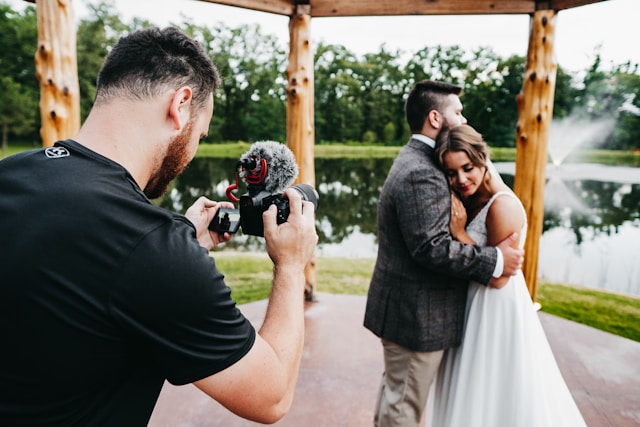
The abbreviation has expanded. You’ll also see TFCD (Trade for CD, now effectively meaning digital files), TFI (Trade for Images), and the catch-all TF* — a placeholder that just means “we’re exchanging services, not money.” None of these carry legal weight on their own. The terminology is informal; the agreements behind them shouldn’t be.
Copyright law is where most TFP arrangements quietly go wrong. In most countries — the UK’s Copyright, Designs and Patents Act 1988 is the most commonly cited framework — the photographer retains full ownership of the images by default. The model receives a license to use specific images in specific ways: usually portfolio display and personal social media, not commercial campaigns. If a brand later wants to license one of those images for an ad, that’s a separate conversation. A new conversation. One that involves money.
This is where most projects fail. Not in the shoot itself — in the assumption that “free images” means “free to use however.” It doesn’t. Write it down before the shutter fires.
A solid TFP agreement covers five things: how many final edited images each party receives, the delivery timeline (10 images within 7 days is a reasonable standard for a 1-hour session), which platforms images can be posted on, whether filters or heavy retouching are permitted, and what happens if one of those images gets a commercial inquiry down the road.
Not every photographer should be doing TFP. Not every model should be doing TFP. The arrangement works when both parties are close enough in skill level that the collaboration is genuinely mutual, or when the more experienced party has a specific creative goal that justifies working without pay.
A portrait photographer building a fashion-editorial section of their website? TFP makes sense. That same photographer doing their 40th headshot session with a beginner model so they can “practice”? That’s not a trade — that’s one person getting free labor while the other gets mediocre portfolio images. The imbalance eventually shows in the work.
Models face a parallel trap. TFP shoots are essential early in a career, full stop. 63% of industry clients evaluate a portfolio before any other consideration, and building that portfolio from scratch without spending thousands of dollars on paid shoots is legitimately difficult. TFP fills that gap. But a career built entirely on TFP work signals something to the people hiring: this person hasn’t converted their portfolio into paid gigs. At some point, the free shoots should start opening doors to paid ones, not just to more free shoots.
The sweet spot looks like this — emerging photographer with a clear creative vision + model who wants that specific aesthetic in their book = a genuinely equal exchange. Both leave the set with something they couldn’t have produced solo.
Communication before the shoot matters more than equipment on the day. This is not a metaphor. Photographers who show up with a Sony A7R V and no concept produce worse TFP results than someone with an older body and a tight reference board.
Establish three things before you meet in person: the visual direction (a Pinterest board, a style reference, specific mood), the practical logistics (who’s responsible for location fees, equipment rental, hair and makeup costs), and the usage terms. Expenses don’t disappear just because no one is charging a day rate. Studio time, props, travel — someone pays for that, and it should be decided in advance.
For photographers, a 1-hour TFP session should realistically yield 8–15 selects after editing. Fewer than that and you’re either undershooting or over-editing into unusable territory. More than 30 delivered images from a single TFP session is a red flag — quantity like that usually means the selection criteria weren’t strict, which means the images aren’t actually portfolio-quality.
For models, the delivery timeline is a legitimate professional expectation. Two weeks is the outer limit. If a photographer is sitting on your images for six weeks without communication, you have a problem — and “they’re busy” is not an acceptable explanation. Unedited images delivered on time beat over-retouched images delivered three months late every time.
One thing 2026 has changed: AI-assisted editing tools like Lightroom’s Generative Remove and Luminar Neo’s retouching suite have dramatically shortened the turnaround window that photographers can reasonably claim. What used to take two days of retouching takes two hours. A timeline of “10–14 days” that was standard in 2022 is now worth renegotiating.
Unequal effort is the most common failure mode. One person treats the session like a paid job; the other treats it like a casual Saturday. This plays out in small ways — a model who arrives 45 minutes late, a photographer who delivers 4 images instead of 10, a makeup artist who phones it in because there’s no financial accountability. None of this is malicious. It’s just what happens when there’s no professional incentive structure.
The fix is pre-qualification. Before committing to a TFP shoot, review the person’s existing work critically. Not just whether it’s technically proficient — whether their style actually fits what you need. A photographer with 40K Instagram followers but a consistent record of soft, hazy lifestyle content isn’t the right TFP partner for a model building a high-contrast editorial book.
Safety is worth stating plainly. TFP shoots lack the institutional accountability of agency-booked or commercial work. There’s no client brief, no production company, no assistant hired through a professional network. Meeting in a public location first, sharing your schedule with someone you trust, and researching the other party’s professional reputation online before meeting are not overcautions. They’re standard practice.
Model Mayhem, Instagram hashtag searches, and local photography Facebook groups remain the primary channels for finding TFP partners in 2026. University photography departments are underutilized — students often need models urgently for assignments and tend to be more motivated than hobbyists looking for a muse.
There’s a transition point that most photographers and models miss. It usually comes when you have 3–5 portfolio pieces you’re genuinely proud of and a specific type of paid work you’re trying to attract. At that point, continuing to fill your book with TFP work doesn’t strengthen your position — it just adds volume.
The question to ask is not “is this TFP shoot free?” but “does this shoot get me closer to the work I actually want to be doing?” If the answer is no, decline. Your time has value even when no one’s paying for it yet.
That said, experienced photographers — including those working consistently at a professional level — still do TFP shoots. Not out of necessity, but because creative work done without a client brief is different in quality from commercial work. It’s looser. You can fail without consequence. Some of the strongest portfolio pieces come from shoots where nobody was paying anyone.
TFP photography in 2026 is still one of the most practical tools available for building a visual portfolio without a startup budget. The mechanics are simple; the execution is where most people leave value on the table. Write down the agreement. Be specific about deliverables. Don’t confuse “free” with “low commitment.” And know when you’ve outgrown it.
The images in your portfolio are the first conversation you have with every potential client. Make sure that conversation is saying what you want it to say.
