
Donec efficitur, ligula ut lacinia
viverra, lorem lacus.
Donec efficitur, ligula ut lacinia
viverra, lorem lacus.
Something shifted in photography aesthetics around 2024 and accelerated into 2026. After years of heavily processed images — sky replacements, maximalist color grades, every inch of the frame filled with something interesting — the work that generates genuine response now tends toward restraint. Simpler backgrounds. Less obvious editing. More breathing room around the subject. Negative space is at the technical center of that shift.
But negative space is not a trend technique. It predates photography by centuries — every classical painter understood the visual weight of empty canvas — and the reason it works has nothing to do with what’s fashionable. Empty space makes subjects more powerful. That’s a perceptual fact. Understanding why, and how to use it, is the whole subject of this guide.
Positive space is the subject and any elements that actively draw attention. In a portrait: the face, the body, significant details. In a landscape: the mountain, the tree, the building. In a product shot: the object. Everything the eye is meant to look at.
Negative space is everything surrounding it. Sky. A blank wall. Smooth water. An open field. Clean studio background. The space that isn’t the subject.
The relationship between them is a ratio. A frame packed with visual information — multiple subjects, complex backgrounds, competing details — has a high positive-to-negative ratio. A frame with one small subject surrounded by a vast expanse of sky has a very low positive-to-negative ratio. Neither is inherently better. Both are compositional choices, and each serves different purposes.
The confusion most beginners have: negative space feels like “empty” space, and empty feels like failure — like there wasn’t enough to fill the frame. This is backwards. In the right context, emptiness is the composition. The space around the subject isn’t absence. It’s the condition that makes the subject visible.

1. Emphasis through isolation. The perceptual mechanism: the eye compares brightness, contrast, and complexity across the frame and settles on the area that differs most from its surroundings. A small, sharply detailed subject against uniform empty space has maximum local contrast with its environment — the eye locks onto it immediately. There’s nowhere else to look.
Compare this to the same subject embedded in a complex environment with multiple competing elements. The eye searches, moves from element to element, never commits. The subject doesn’t feel less prominent because it’s small; it feels less prominent because it’s one of many things demanding attention.
This is the core emphasis principle applied through negative space: control attention by controlling what surrounds the subject, not just by controlling the subject itself.
2. Visual balance. A subject positioned off-center with empty space on the opposite side creates a dynamic tension — the “weight” of the subject pulling against the lightness of the empty area. This is why rule-of-thirds placement works better than centering for negative space compositions. Centered placement with empty space around it produces symmetry, which reads as static. Off-center placement produces a tension that gives the image energy without adding more elements.
3. Mood. This is the most underappreciated function, and it’s the one that connects most directly to the 2026 minimalist aesthetic. What fills the negative space determines the emotional register of the image:
The choice of what constitutes the negative space is a mood decision, not just a technical one.
They overlap substantially, which causes the confusion. Here’s the distinction.
Negative space is a compositional ratio: how much of the frame is empty versus occupied. It’s a relative measure.
Minimalism is an aesthetic philosophy: reduce everything to essentials. It includes negative space as a tool, but also refers to color palette (muted, monochromatic, few hues), subject simplicity (clean objects rather than complex ones), editing restraint (no heavy grading or processing), and the removal of anything decorative that isn’t load-bearing.
A maximalist image — a heavily detailed Victorian interior, every surface covered — can contain significant negative space if a simple subject is isolated against it. A minimalist image — a flat lay with three items on a white surface — might not have much negative space at all but is visually minimal through reduction rather than emptiness.
Where they converge: most minimalist photography uses negative space because simplification and emptiness tend to reinforce each other. And most negative space photography reads as minimalist because the dominant characteristic of both is restraint. But learning to see them as separate tools gives you more options — you can apply one without the other.
Choose a subject that holds on its own. Negative space strips away supporting context. A subject that derived its interest from its environment — from the narrative of what surrounds it — loses that when isolated. The subject needs intrinsic visual character: texture, form, expression, silhouette quality. Before committing to a negative space composition, ask whether the subject is interesting by itself, without anything around it.
Find or create genuinely empty space. The negative area needs to be clean. A telephone wire crossing the sky, a partially visible figure at the edge of the frame, a tree trunk intruding from the corner — any of these break the emptiness and redirect the eye. The negative space has to be genuinely neutral.
Finding it: overcast sky (no dramatic clouds competing for attention), smooth water, clean walls, sand or snow, open architectural space. Creating it: wide aperture at distance dissolves a complex background into smooth, uniform blur — functionally empty space even if it was originally full of information. The technical controls for how aperture and distance work together to produce this are in the depth of field and bokeh guide. For a start, any prime lens at f/2.0 or wider, with the subject 10+ feet from the background, will produce a background that functions as negative space.
What makes for genuinely clean backgrounds in different shooting contexts — what works vs. what introduces visual noise — is covered specifically in the portrait background guide.
Position the subject using the thirds grid. A subject placed dead center with empty space around it reads as symmetrical — which is intentional and can work as a deliberate formal choice. But it’s compositionally static. Placing the subject at a third-intersection with the empty space to the opposite side creates tension and direction. If the subject has a facing direction — a person’s gaze, an animal’s head orientation, a vehicle in motion — the empty space should extend in that direction. This is the rule of space: eyes and movement need room ahead of them, not a wall.
The rule of thirds gives you the intersection points; negative space gives you the mechanism to use them — the subject at the intersection, the empty space occupying the remaining area.
Judge the ratio. There’s no rule, but guidelines exist. Empty space that occupies roughly 60% or more of the frame produces a clearly minimalist effect. At 50/50, the image feels balanced but not specifically minimal — this can be intentional (a horizon line dividing sky and water equally) but is more often a compositional non-decision. Less than 40% empty and the space starts to feel like partial fill rather than purposeful emptiness.
The right ratio depends on the subject and the mood. A very small, isolated subject can command a frame that’s 90% empty space. A more complex subject might need 70% empty to feel spacious rather than lost. Test multiple crops before committing.
Crop in post when needed. The negative space composition doesn’t need to be nailed in camera. In Lightroom or any editing software, moving the crop to relocate the subject toward a corner, to remove competing elements from the edges, or to increase the proportion of empty space can transform a technically-correct-but-ordinary image into a strong negative space composition. This is particularly useful when the shooting situation doesn’t allow for repositioning — street photography, candid moments, situations where you had to take what the scene gave you.
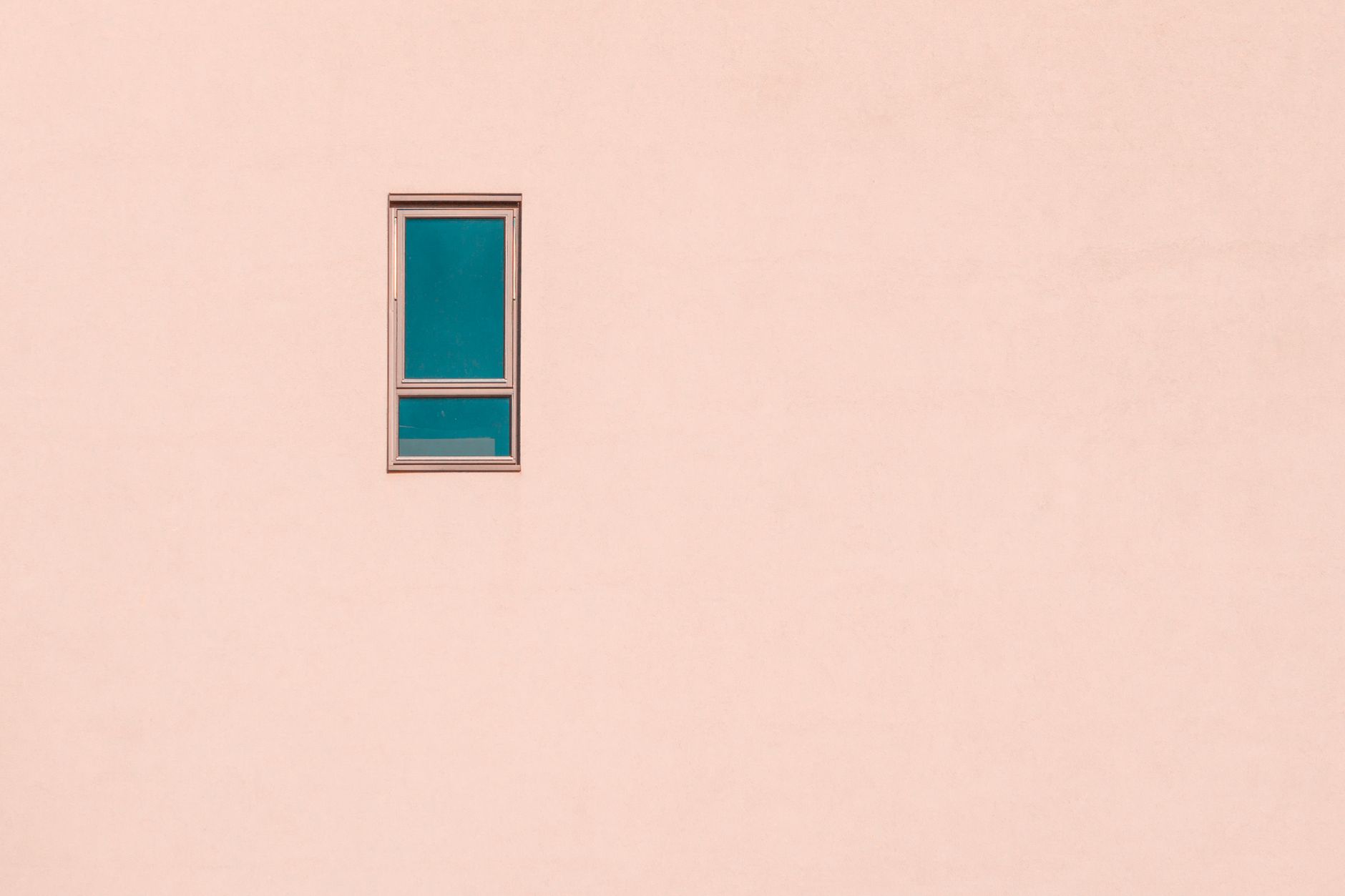
Landscape. The sky is the most accessible and abundant source of negative space in outdoor photography. The standard landscape habit is to fill the sky with clouds, drama, and color. The minimalist alternative: an overcast sky with no texture, wide and empty, occupying three-quarters of the frame, with a single small element on the horizon — a solitary tree, a distant figure, a lighthouse. The scale contrast between the subject’s smallness and the sky’s vastness produces emotional weight the busy-sky version can’t. The broader compositional principles — how horizon placement and spatial layers interact in landscape — are in the landscape photography guide.
Street and urban. Cities offer negative space in unexpected places: vast empty plazas at midday, the open space of a pedestrian crossing before rush hour, a long corridor or overpass with no traffic. A lone figure in the corner of an empty public space communicates something about urban solitude that no other compositional approach produces as efficiently. Street photography increasingly trends toward this kind of environmental minimalism as a counterpoint to the busy, information-dense street work that dominated earlier in the genre’s recent history.
Portrait. A plain wall, an overcast sky, or a background sufficiently blurred to read as uniform color — these create the empty field that isolates a face or figure. The effect is different from standard portrait work with blurred background because the negative space needs to be genuinely empty, not just soft. A face against a smooth pale wall with substantial empty space to one side produces a different image than the same face against a blurred garden. The minimal background becomes part of the image’s tone. Combining this with deliberate lighting to separate the subject from the background is covered in the portrait lighting and background guides.
Product. White background product photography taken to its logical conclusion is pure negative space composition: the product is the entire positive element, white is the entire negative element, and the image exists entirely in the relationship between them. Packaging design, luxury cosmetics, jewelry — categories where the product itself needs to read as premium benefit most from this kind of compositional stripping away.
Black and white. Negative space intensifies in monochrome because one variable — color — is removed from the competition for the viewer’s attention. A pale subject against a dark expanse, or a dark subject against light, reduced to pure tonal contrast. The emptiness is more absolute when it’s simply dark grey or white rather than a specific hue. Many photographers find that their negative space images convert better to monochrome than to color. The full case for tonal reduction as a compositional tool is made in the black and white photography guide.
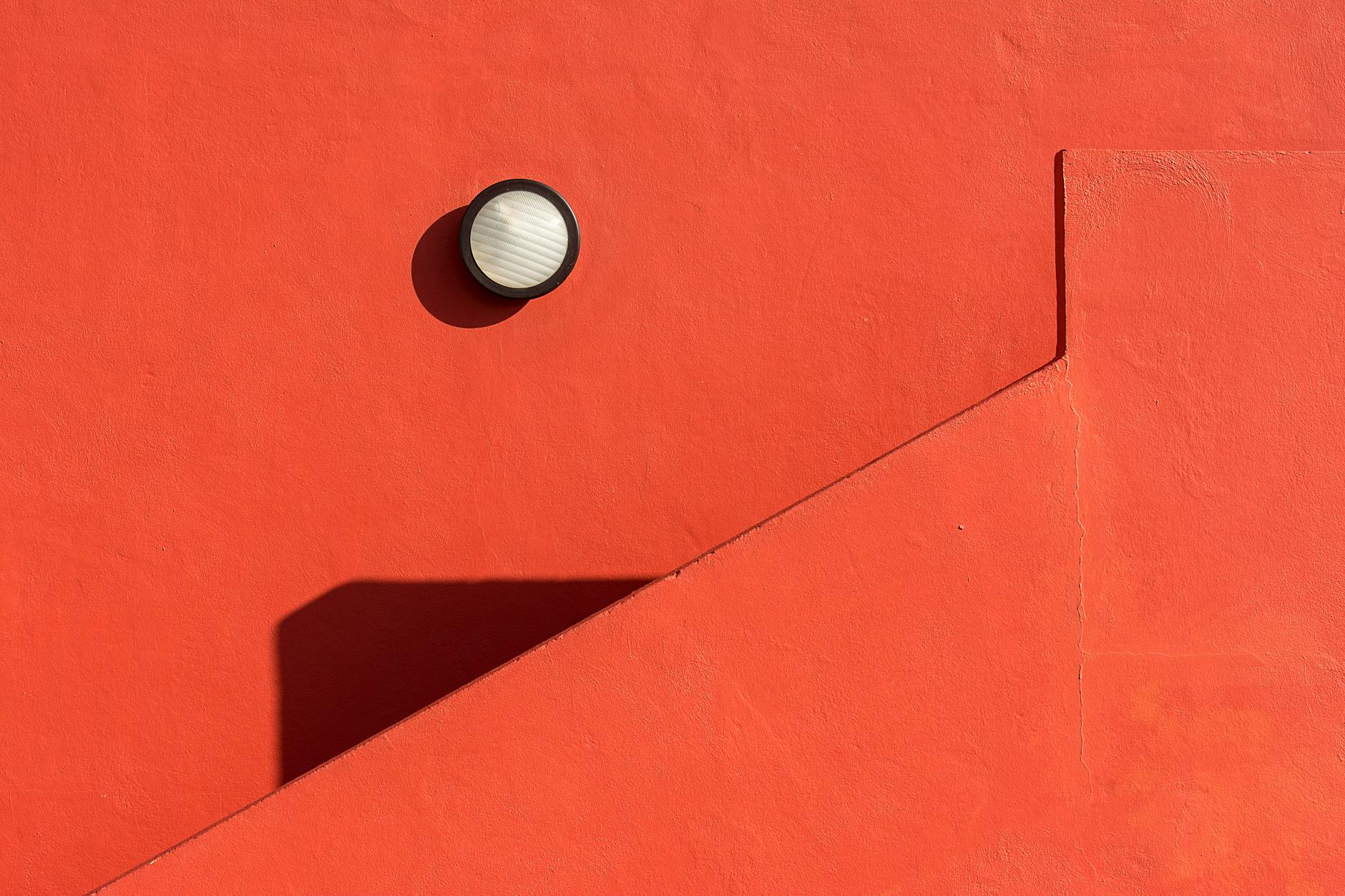
Edge contamination. The single most common negative space error. An element — a telephone wire, a person’s arm, a tree branch, the corner of a building — that partially enters the frame at the edge interrupts the empty area and gives the eye somewhere to wander. The viewer’s attention splits between the subject and the incomplete element at the edge. Eliminate it: crop tighter, reframe to exclude it, or remove it in post.
Subject too small to anchor. There’s a threshold where the subject becomes so small relative to the frame that it reads as an accidental inclusion rather than an intentional focal point. The subject needs to be clearly defined — sharp, well-lit, with enough detail to reward attention. If the subject is so small that it could be mistaken for sensor noise, the negative space has overwhelmed the composition rather than serving it.
Textured “empty” space. A dramatically cloudy sky, a heavily patterned fabric, a complex stone wall — these aren’t negative space, they’re secondary subjects. The visual attention they demand competes with the positive space. True negative space is quiet: it doesn’t ask to be looked at. If the background is generating its own visual interest, it’s not functioning as negative space.
Subject facing the wrong direction. Covered in the rule of space section: a subject’s gaze direction or direction of motion creates an implied line. Closing that line against the frame edge with no empty space in front creates visual pressure that feels wrong. Leave the space where the subject is oriented or moving toward.
The 50/50 non-decision. A horizon line at the exact center of the frame, dividing positive and negative space equally, is rarely the strongest choice — it tends to read as indecision rather than balance. Push it clearly above or below center and commit to a dominant area.
What is negative space in photography?
The empty area surrounding the main subject. Sky, blank walls, smooth water, clean backgrounds — anything that doesn’t draw active attention. The ratio of negative to positive space determines how much “breathing room” the image has, and deliberate negative space is a compositional choice to isolate the subject by surrounding it with visual quiet.
What’s the difference between positive and negative space?
Positive space is the subject and anything else that draws the eye. Negative space is the surrounding empty area. In a portrait against a plain wall, the face is positive space and the wall is negative. In a bird against a clear sky, the bird is positive and the sky is negative.
How much negative space is correct?
There’s no fixed rule, but roughly 60% or more empty space produces a clearly minimalist effect. The right proportion depends on the subject size, the mood you’re after, and whether the empty area is genuinely neutral. Test multiple crops; the correct ratio for a specific image becomes obvious when you see it.
Is minimalist photography the same as negative space photography?
Related but not identical. Negative space is a compositional technique (the ratio of empty to occupied frame). Minimalism is an aesthetic philosophy (reduce to essentials, remove decoration, simplify everything). Most minimalist photography uses significant negative space, but you can have negative space in maximalist images and minimalist images with little negative space.
How do I create negative space if my environment is busy?
Wide aperture at distance turns a complex background into smooth, uniform blur — functionally empty space. Getting very low and shooting against the sky instead of against the environment. Cropping more tightly in post to push distracting elements out of frame. Finding architecture with genuinely empty walls or surfaces. Waiting — a busy environment often has quiet moments that a patient photographer can catch.
